1–3 days
Field day
Bring a prototype, get it into real barns and fields, and leave with footage, failure modes, and farmer feedback.
Robot & product field testing
Not a demo plot. A 2,000-acre, 700-cow commercial dairy with barns, livestock, cropland, and four real seasons, plus engineers on site who can debug your stack.
01 What you can test
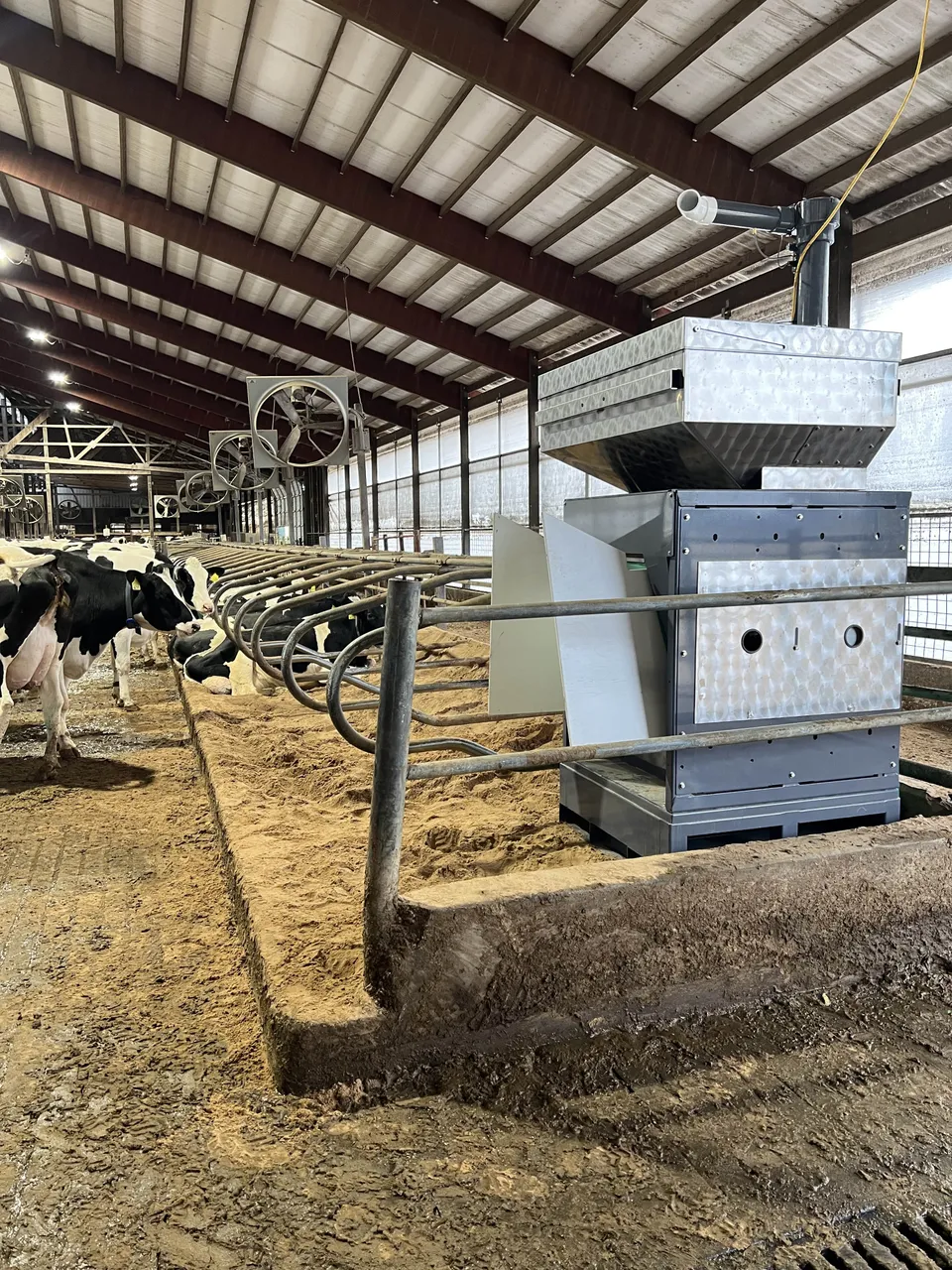
Barn interiors, feed and manure alleys, young-stock housing, field roads, plus cropland in corn silage, soybeans, alfalfa, clover, and pasture.
02 Engagements
1–3 days
Bring a prototype, get it into real barns and fields, and leave with footage, failure modes, and farmer feedback.
2–8 weeks
A structured trial against agreed metrics, with daily operation on a commercial dairy and engineers on call.
A growing season or a winter
Longer-term deployment to prove reliability through weather, crop stages, and the realities of farm routines.
03 What you leave with
Every test ends with material your team, investors, and customers can use.
Objectives, metrics, schedule, and a safety and animal-welfare review agreed before anything rolls in.
People who can read your logs and fix integration issues, not just watch the robot.
Run logs, operating conditions, and incident notes, structured so your team can use them.
Real-world footage for your investors, customers, and marketing, with your approval on what gets shared.
What worked, what broke, and what a farmer would say about it. Evidence you can put in front of customers.
04 2027 founding partners
We're opening Grass Ridge to a small number of robotics teams for the 2027 season. Founding partners help shape how the program works and get:
Apply for a field test
05 FAQ
Our formal test program is new for 2027. We've run our own on-farm technology trials for years, including emissions-monitoring and research equipment in our barns. Founding partners help shape the program and get priority scheduling.
Animal welfare comes first. Every test has a written plan that defines where and when the robot operates around livestock, who supervises, and the stop conditions. We start away from animals and work toward them.
You own your test data. We agree up front what, if anything, can be shared publicly, and we're happy to work under an NDA.
Your robot, your team for at least the first days on site, and proof of insurance. We'll cover power, storage, connectivity options, and local logistics during scoping.
Yes, and you should. Real winters are one of the most valuable things we offer: cold starts, snow, ice, frozen manure, and short days.